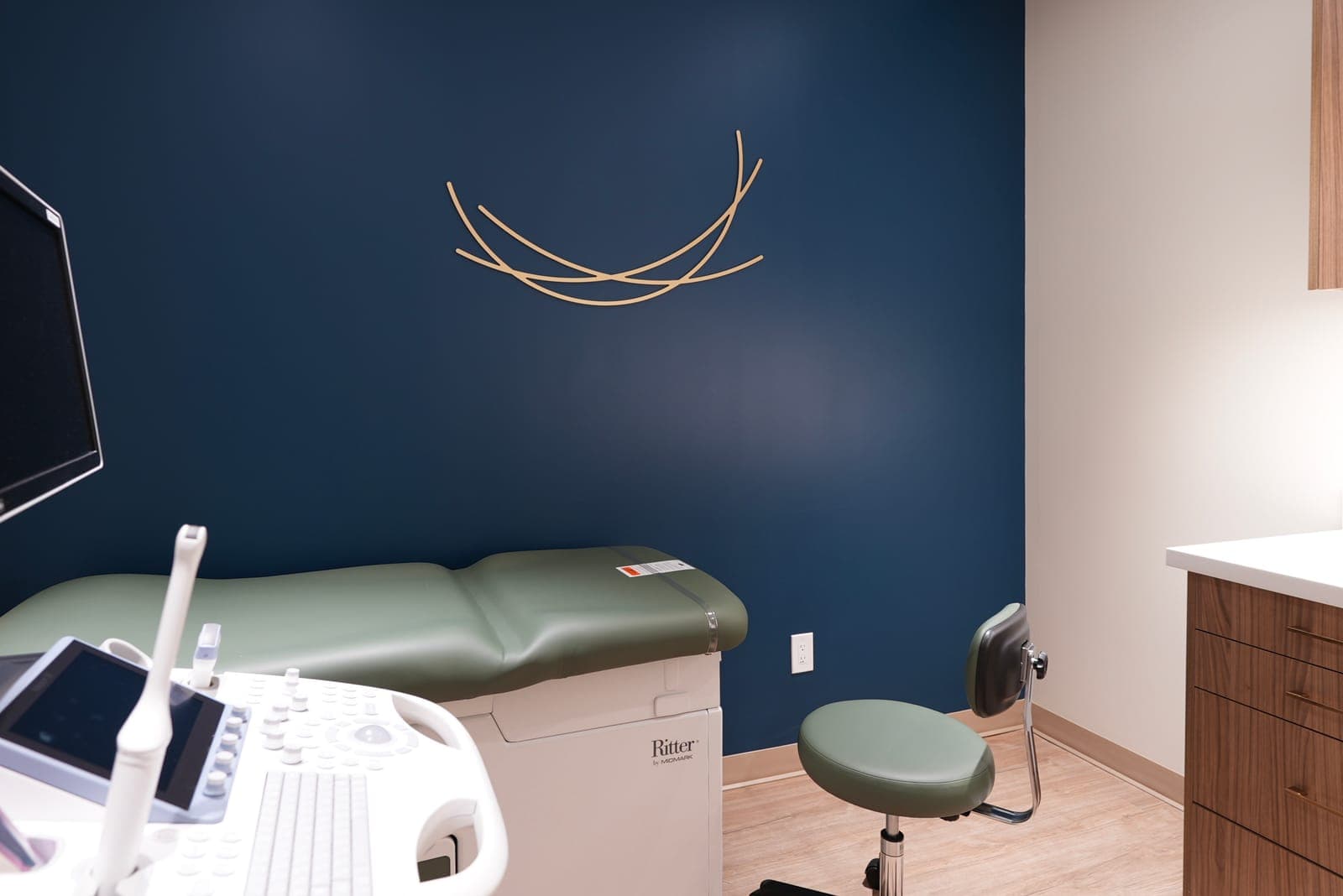
Cycle monitoring is an integral part of your fertility treatment plan at Twig. It’s a series of blood tests and internal ultrasounds done during the first half of your menstrual cycle.
Cycle monitoring is an integral part of your fertility treatment plan at Twig. It’s a series of blood tests and internal (vaginal) ultrasounds done during the first half of your menstrual cycle.
The purpose of monitoring is to keep track of how your cycle is progressing and to closely measure your response to fertility medications.
How Cycle Monitoring Works
Monitoring visits are scheduled every 1–5 days until ovulation is detected or induced with medications.
-
How to Start: You start by completing the “Report your Day 1” form. Remember, Day 1 is the first day of full flow of your period.
-
First Visit: Depending on your care plan, your first appointment may be on Day 3–5 or Day 9–11.
-
The Clinic Experience:
Once checked in, you’ll change into a gown, robe, and slippers. You can keep your top on, but you’ll need to remove your bottoms for the ultrasound.
-
Our sonographer will call you in for your ultrasound.
-
Afterward, our phlebotomist will meet you for your blood draw.
-
Finally, a nurse will review your immediate next steps with you before you leave the clinic, unless communicated otherwise.
Physician Review & Communication
Transparency is key. Every single time you come in for cycle monitoring, a Twig physician reviews your ultrasound and blood work results to determine your next steps.
The nursing team and physicians meet to discuss your unique case. A member of the nursing team will then send you a message through your Patient Portal. If a message is urgent, they will also call you.
Answering Your Questions
While monitoring usually includes both an ultrasound and blood test, depending on your care plan, some appointments may include only one. Occasionally, we may also ask you to monitor your cycle at home using LH sticks on the days between your clinic visits.
Ready to explore your options? Click here to book a complimentary egg freezing or family building consult. No referral required.